Alexandre Dumas
 July 24, 1802 – December 05, 1870
French novelist and playwright, Alexandre Dumas, was a leading voice in the 19th Romantic literary movement. Born of a mixed-race lineage stemming from the Caribbean French colony known today as Haiti, Dumas used his struggles with race issues along with his travels throughout a changing European landscape to craft historical fiction that was both immediately popular and enduring. Though a successful playwright at the start of his career, his most famous works are arguably his many novels, including “The Count of Monte Cristo” and “The Three Musketeers.” Like many of his contemporaries, much of his writing was released serially and later compiled into the works we know today.
Born Dumas Davy de la Pailleterie, he took on the name “Alexandre Dumas” as his father (Thomas-Alexandre Dumas) had. By the age of 28, Dumas was already an accomplished dramatist with several published plays to his name, when he participated in the Revolution of 1830 that ousted Charles X. This time of transition in France served Dumas’ career well. It also afforded him the chance to meet regularly with peers like Delacroix, Balzac, Hugo and Baudelaire to smoke hashish and explore the creative affects it had on artists. Ah, Paris.
In 1851, there was another revolt and this time Dumas fled to Belgium. He spent time in Russia and Italy, writing travel books based on his experiences and returned to Paris in 1864. He died at the age of 68 from what is believed to be a heart attack and was buried in his hometown of Villers-Cotterêts. On the 200th anniversary of his birth, the French government exhumed his remains and reburied him in a crypt at the national monument, the Panthéon, alongside Émile Zola and his old hash buddy, Victor Hugo.
Burial
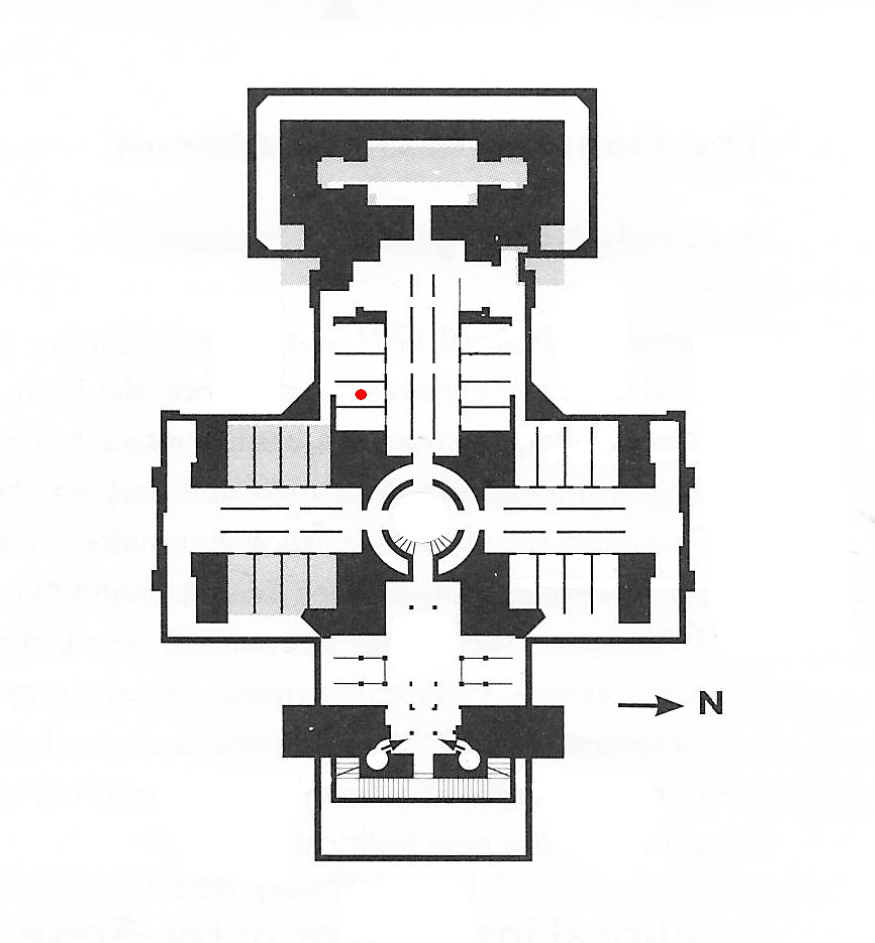
The Panthéon – Paris, FRANCE

Specific Location
Crypt XXIV; Alexandre is interred at the far end of this notable crypt.
 Celebrity Graveland
Leave a comment