Samuel Johnson
 September 18, 1709 – December 13, 1784
Samuel Johnson was – and remains – one of the most influential English writers of all time. With works ranging from poems to a literal dictionary, Johnson’s contributions to British literature ran far, wide and very, very deep. Sometimes referred to as “Dr. Johnson”, he wrote in a number of genres including, drama, essays, biographies, literary criticism and sermons. He is widely regarded as “the most distinguished man of letters in English history.”
Johnson showed signs of intelligence from an early age. He was a large adult and exhibited many symptoms and characteristics of Tourette syndrome (which had not been identified by science or medicine yet) including tics and aggressive mannerisms. This made him an imposing figure in his personal dealings, but he remained a beloved public figure and celebrity.
His major works include Life of Mr. Richard Savage (biography), London (poem), A Journey to the Western Islands of Scotland, Rambler (both essays) and the 1755 A Dictionary of the English Language. His work is studied and analyzed by scholars, critics and societies to this day…some 2 and half centuries after his death.
Johnson battled health issues his entire life. In addition to the aforementioned Tourette’s, he suffered from partial blindness, partial deafness and mental health issues. He suffered from depression, which manifested itself severely later in his life after the losses of many close friends and relatives. With few close friends and in failing health, Samuel Johnson lived out his final months in London in anguish. He died the evening of December 13th, 1784 at the age of 75. English statesman, Gerard Hamilton, was quoted as saying: “He has made a chasm, which not only nothing can fill up, but which nothing has a tendency to fill up. Johnson is dead. Let us go to the next best: There is nobody; no man can be said to put you in mind of Johnson.”
Burial
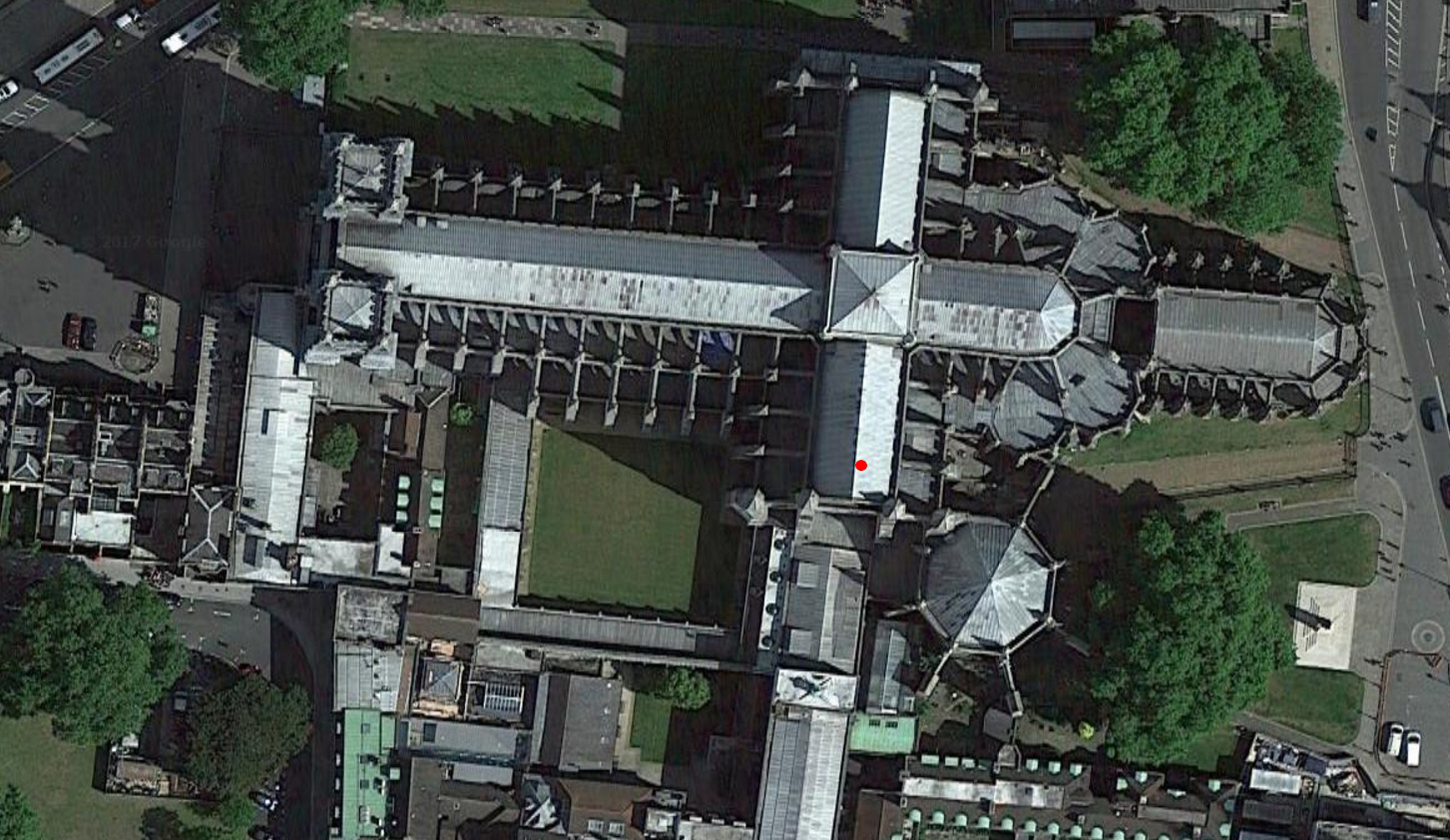
Westminster Abbey – London, UK

Specific Location
The South Transept (aka “Poet’s Corner”) – Southwestern section. Two spaces below Charles Dickens.

 Celebrity Graveland
Leave a comment