Dizzy Gillespie
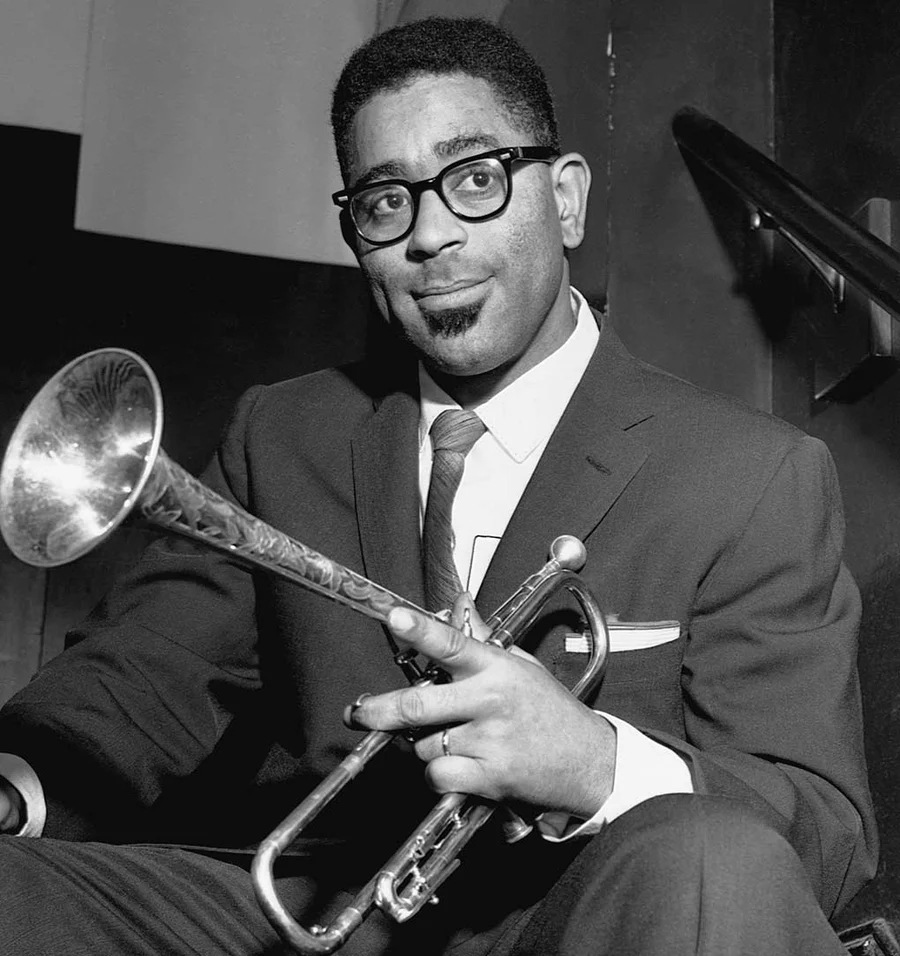
October 21, 1917 – January 6, 1993
There were trumpet players in jazz before Dizzy Gillespie. And there were trumpet players after Dizzy Gillespie. But, before or since, there was never another trumpet player LIKE Dizzy Gillespie.
John Birks Gillespie grew up in South Carolina with a bandleader father and regular access to musical instruments. John taught himself how to play trombone, piano and – of course – the trumpet. When his family relocated to Philadelphia, Gillespie began to find work in professional bands. When he was 22, he joined Cab Calloway‘s band, where he spent two years flourishing and perfecting his unique soloing style before ultimately stabbing Calloway in the leg. Seriously.
While Gillespie and Calloway clearly were at odds personally, artistically they brought out the best in each other. Much to Calloway’s chagrin, Gillespie was electric onstage. Earning the nickname “Dizzy” for his whirlwind stage presence, he drew a ton of attention. Legend has it that Dizzy was fired due to a misunderstanding that escalated (if you can call stabbing someone an “escalation”), but misunderstanding or not, Calloway and Gillespie were doomed to separate pretty much from the start.
Gillespie spent his post-Calloway years playing in bands with greats like Earl Hines and Ella Fitzgerald. He arranged big band songs for the likes of Jimmy Dorsey and Woody Herman; all the while, becoming one of the most impressive and popular trumpet soloists around. But, he grew weary of the swing and big band scene and instead chose to focus on smaller ensembles of 4-5 players. This shift helped form the modern jazz movement called ‘bebop’ and led Gillespie from being one of the best jazz trumpet players in the world…to being THE preeminent bebop trumpet player in the world.
Alongside fellow bebop pioneers Thelonious Monk, Charlie Parker and Kenny Clarke, Gillespie helped reshape what jazz could be, essentially redefining the already all-American artform to something fresh and new. Dizzy would later go on to popularize another movement within the genre…that of Afro-Cuban jazz.
Everything about Dizzy was memorable. From his iconic ballooned cheeks to his trademark “bent” trumpets, his appearance was instantly recognizable. Stylistically, he remains unmatched. As someone once remarked, Dizzy’s playing was “the sound of surprise.” His sophisticated and dramatic rhythms remain as influential today as they were when he first played them.
Dizzy Gillespie died of pancreatic cancer in his home in New Jersey at the age of 75. His career was chock-full of accolades ranging from honorary doctorates to lifetime achievement awards. Truly, one of a kind.
Burial
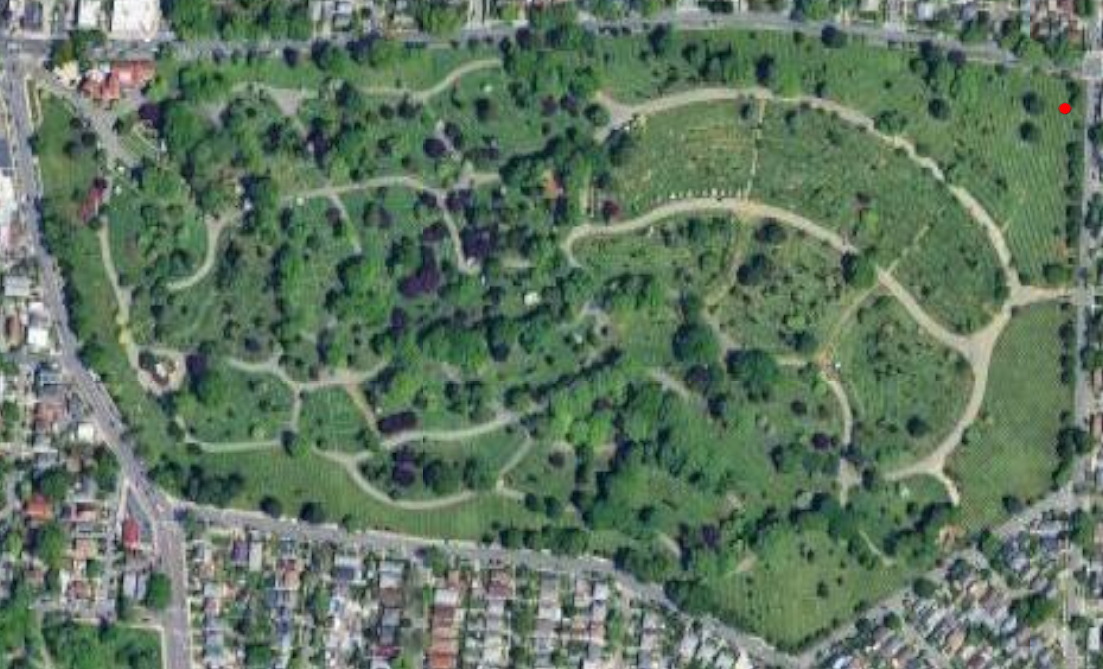
Flushing Cemetery – Queens NY
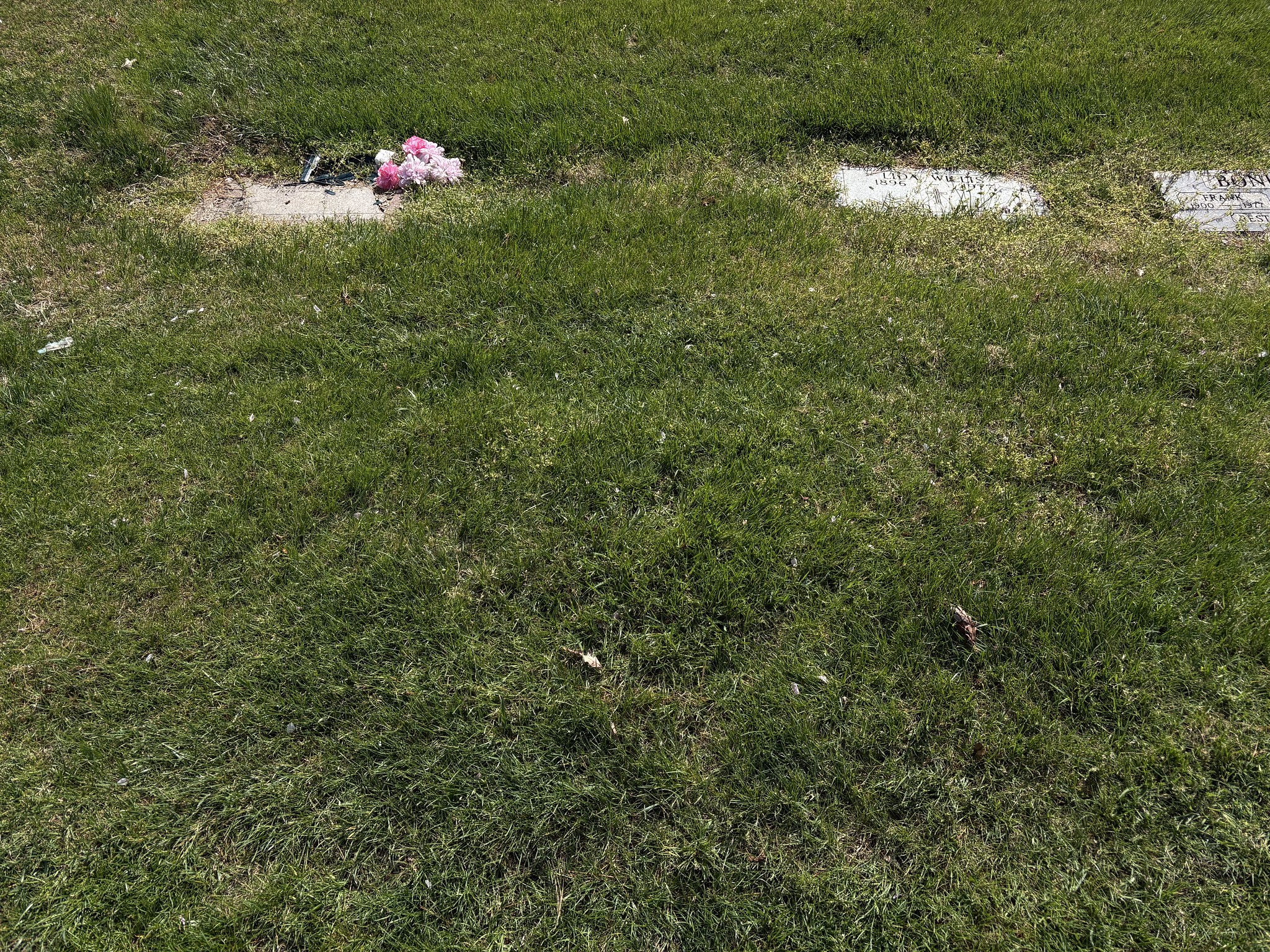
Specific Location
Section 31; At the very northeast corner of the cemetery, Dizzy is buried in an unmarked grave 4 rows from the eastern fence immediately to the left of his mother-in-law, Lida Willis.


Leave a Reply