Leonard Nimoy

Posted in Hillside Memorial Park with tags , on August 24, 2018 by Cade

March 26, 1931 – February 27, 2015

In 1975, Leonard Nimoy wrote his first autobiography entitled I Am Not Spock.

Born in Boston in 1931, Nimoy caught the acting bug early and by the time he was 17 – and portrayed a Depression-era Jewish boy with similar family dynamics to his own – he knew it’s what he wanted to do. A talented singer and performer, he made his way through theatre and bit roles in movies and television for years, amassing quite the IMDB page chock-full of appearances in dozens of the most popular shows of the time. Then, in 1966, he was cast in Gene Roddenberry’s new sci-fi production, Star Trek, and the world was introduced to Mr. Spock. Continue reading
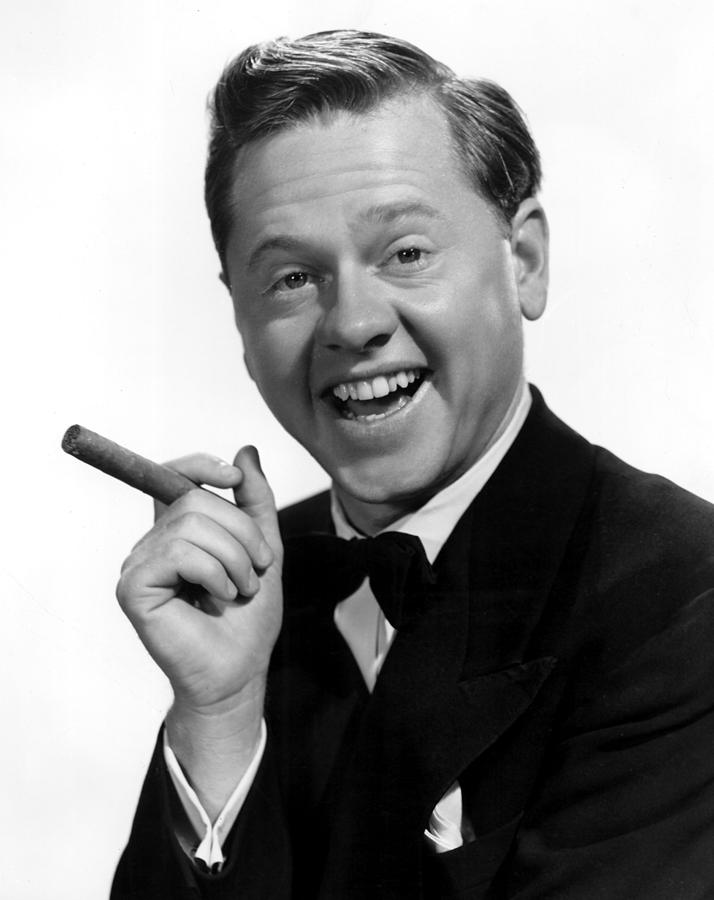
Mickey Rooney

Posted in Hollywood Forever Cemetery with tags , on August 22, 2018 by Cade

September 23, 1920 – April 6, 2014

Mickey Rooney was one of the most enduring figures of the classic age of Hollywood. He got his start as a child in vaudeville and quickly found success in film. By the age of 25, he was one of MGM’s biggest and most successful stars. He starred in 14 Andy Hardy movies and began working with another young star on the rise by the name of Judy Garland. Together, Mickey and Judy made 10 films together and both careers were catapulted. After serving in the Special Services during World War II, Mickey’s career waned…if you can call 60 more years of being loved by millions “waning.” As an adult, he remained short of stature, so he never made the transition to leading man roles. But, that didn’t stop the Mick. Continue reading

Jonathan Swift

Posted in St. Patrick's Cathedral (Ireland) with tags , on July 10, 2018 by Cade

November 30, 1667 – October 19, 1745

Author, satirist and all-around political rabble-rouser, Jonathan Swift, is most widely known for his creation: Travels into Several Remote Nations of the World, in Four Parts, by Lemuel Gulliver, First a Surgeon, and then a Captain of Several Ships…which is colloquially and mercifully shortened as: Gulliver’s Travels. Born in Ireland, Swift received a Doctor of Divinity degree from Trinity College in Dublin. He spent a lot of time in England involving himself in the rise and fall of the Tory government in the early 18th Century. He wrote some of his most scathing satire during this period and eventually ticked off Queen Anne enough that he was effectively “banished” back to Ireland, where friends were able to get him appointed as the Dean of St. Patrick’s Cathedral. Continue reading

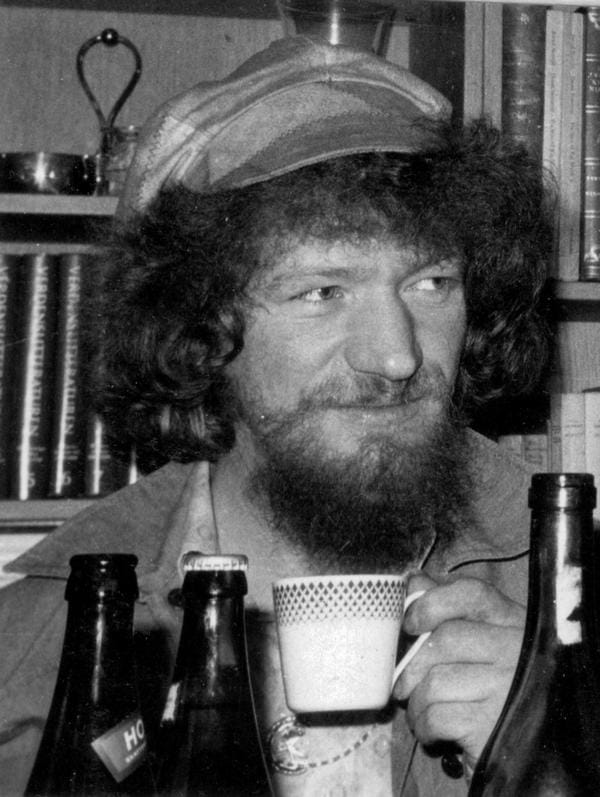
Luke Kelly

Posted in Glasnevin Cemetery with tags , on July 2, 2018 by Cade

November 17, 1940 – January 30, 1984

Luke Kelly was widely considered one of the greatest Irish folks singers of all time. His success and influence as a member of the famed group, The Dubliners, earned Kelly an iconic status in Ireland. He helped lead the folk revival of the early 1960’s, but infused his own Scottish (from his mother) and English (from living there) imprints into the genre. Thanks to his distinct singing style, his versions of classic Irish songs became the quintessential versions for the generations that followed. Kelly spent the last years of his brief life in deteriorating health. Continue reading

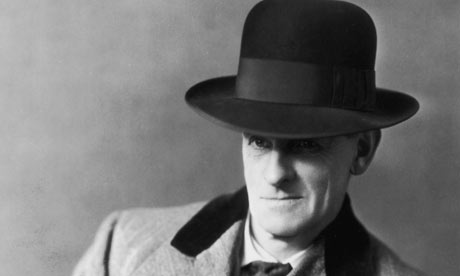
Jack B. Yeats

Posted in Mount Jerome Cemetery (IE) with tags , , on June 25, 2018 by Cade

August 29, 1871 – March 28, 1957

Being the younger brother of one of Ireland’s most famous sons is a daunting existence. But, Jack Butler Yeats – brother to Nobel-winning poet, William – was not only up for the task, he matched his sibling punch for punch. Though he, too, found some success in writing, J.B.’s true medium was art. A talented illustrator, he moved into Expressionism and went on to become the most popular Irish painter of the 20th Century. He was celebrated for depicting, what playwright Samuel Beckett called “the issueless predicament of existence.” Meaning, Jack was able to dramatically and beautifully capture life at it’s most mundane and normal.  Continue reading

Christy Brown

Posted in Glasnevin Cemetery with tags , , on June 18, 2018 by Cade

June 05, 1932 – September 07, 1981

Christy Brown was a writer and artist who, due to having cerebral palsy, wrote and painted with the toes on his left foot. His autobiography, aptly named “My Left Foot” was adapted into the 1989 Academy Award-winning film starring Daniel Day-Lewis. One of 13 (surviving) children, Brown’s family was instrumental in nurturing his talent despite pressure to send him off to a hospital to be raised. In all, Christy wrote several novels, memoirs, poetry collections and painted dozens of stylized paintings. He was married in 1972 and his life and health began to fall apart. Continue reading

Gerard Manley Hopkins

Posted in Glasnevin Cemetery with tags , , on June 12, 2018 by Cade

July 28, 1844 – June 08, 1889

“And for all this, nature is never spent;
There lives the dearest freshness deep down things;
And though the last lights off the black West went
Oh, morning, at the brown brink eastward, springs—
Because the Holy Ghost over the bent
World broods with warm breast and with ah! bright wings.”

God’s Grandeur – Gerard Manley Hopkins

Gerard Manley Hopkins was temporally a Victorian poet, but due to his innovative use of language, alliteration, meter and rhyme, he is widely considered one of the first modernist poets. His use of “sprung rhythm” – a term he coined to shake off the restrictive nature of the conventional meters in English poetry at the time – varied the accent syllables in his verses and allowed him to construct and rhyme freely. His work was a precursor to the free verse movements of the 20th century. A Jesuit priest who grew up in an incredibly artistic family, Hopkins’ work regularly focused on religion and nature…often at the same time.

Continue reading

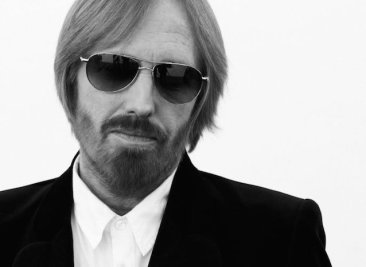
Tom Petty

Posted in Cremated with tags , , , on March 3, 2018 by Cade

petty1
October 20, 1950 – October 02, 2017

You belong among the wildflowers
You belong in a boat out at sea
You belong with your love on your arm
You belong somewhere you feel free

“Wildflowers”  – Tom Petty

Thomas Earl Petty was rock and roll’s everyman. Whether fronting the eponymous Tom Petty and the Heartbreakers, jangling along with his friends as a member of the Traveling Wilburys or simply selling millions of albums as a solo artist, Petty’s 40-year career was nothing short of legendary. Petty won 3 Grammys and worked with everybody who was anybody in music. Continue reading

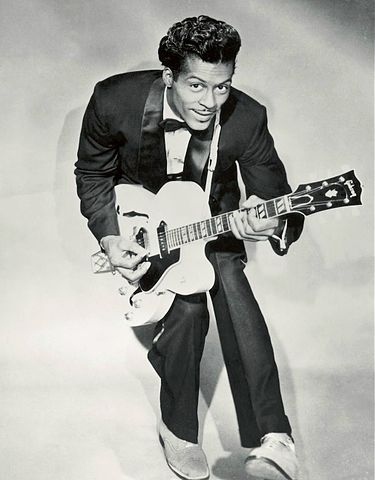
Chuck Berry

Posted in Bellerive Gardens with tags , , , on August 22, 2017 by Cade

October 18, 1926 – March 18, 2017

Marvin Berry’s famous cousin invented Rock ‘n’ Roll. I could just stop there. But, where’s the fun in that?

Charles Edward Anderson Berry was a guitarist and singer who spent the 1950’s taking bits and pieces of the rhythm and blues style of music and turning the world on its head. As he pioneered new ways to use guitar and up-tempo rhythms in popular music, he paved the way for others to follow. The Beatles. The Rolling Stones. Elvis. Hendrix. You name it. If they were a giant in the history of rock and roll music, Berry influenced them directly.

Continue reading

Abraham Lincoln

Posted in Oak Ridge Cemetery with tags on August 15, 2017 by Cade

February 12, 1809 – April 15, 1865

Abraham Lincoln was the 16th President of the United States. Arguably, one of the most famous presidents in U.S. history, Lincoln guided the country through its bloody civil war. A largely self-educated lawyer who grew up in Kentucky and Indiana, he went on to represent Illinois in the United States congress. After a return to private law practice, and amidst a rising tension between Southern, slave-owning states and the North, Lincoln was persuaded to run for President as a moderate in the newly founded Republican party. Despite receiving virtually no votes from the Southern states, Lincoln won the election in 1860. His victory led the first states in the South to begin working toward secession and the war followed quickly. Lincoln navigated the war with admirable skill and prowess. In 1862, he issued the Emancipation Proclamation, which effectively freed the slaves in the Southern states. In 1864, he was re-elected while the war raged on and began to work toward what post-war Reconstruction would look like. Continue reading